In the modern economy, few industries command the cultural influence and financial power of professional sports. What was once considered mere entertainment has evolved into a sophisticated ecosystem worth hundreds of billions of dollars globally, driven by a remarkably resilient economic force: the passionate sports fan.
Understanding the economics of sports fandom reveals not just how leagues and teams generate revenue, but why investors, advertisers, and corporate strategists increasingly view sports properties as some of the most valuable assets in the media landscape.
The Unique Value Proposition of Sports Content
Unlike scripted television or on-demand entertainment, sports offer something increasingly rare in today’s fragmented media environment: appointment viewing. Fans don’t record games to watch later; they tune in live, creating concentrated audiences that advertisers struggle to find elsewhere. This real-time engagement translates directly into premium advertising rates that dwarf those of traditional programming.
The Nielsen Company has consistently found that sports broadcasts command advertising premiums of 50 to 100 percent above comparable entertainment programming. During marquee events like championship games or playoff series, these premiums can multiply several times over. For context, a 30-second commercial during the Super Bowl now exceeds $7 million, representing not just the culmination of a season but the pinnacle of advertising’s economic pyramid.
This pricing power stems from a fundamental economic principle: scarcity. There are only so many championship games, only so many seasons, and crucially, only one chance to experience these moments as they happen. Fans know that checking social media after a game means risking spoilers and missing the communal experience of witnessing history unfold. This creates inelastic demand that few other content categories can match.
The Lifetime Value of Fan Loyalty
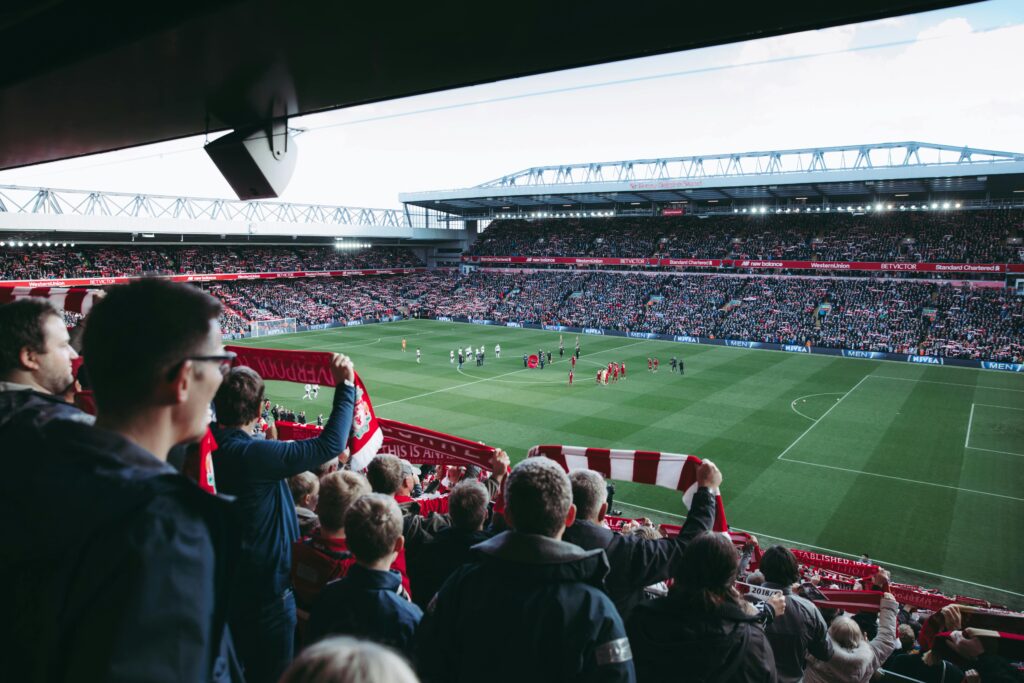
From an economic perspective, sports fandom represents one of the strongest examples of brand loyalty in consumer behavior. Unlike product preferences that shift with trends or marketing campaigns, team allegiances often form in childhood and persist for decades, sometimes spanning entire lifetimes.
This loyalty translates into predictable, recurring revenue streams that make sports franchises particularly attractive investments. Season ticket holders, jersey purchasers, and streaming subscribers create baseline revenue that weathers economic downturns better than many discretionary spending categories. Research from the Sports Business Journal indicates that self-identified passionate fans maintain their consumption of sports content and merchandise even during recessions, prioritizing these expenses over other entertainment options.
The intergenerational nature of fandom amplifies this effect. Parents pass team allegiances to children, creating multi-decade customer relationships without additional acquisition costs. This organic growth mechanism explains why franchise valuations have consistently outpaced inflation and broader market returns over the past several decades.
The Stadium as Economic Catalyst
The economic impact of sports extends far beyond ticket sales and broadcast rights. Modern sports facilities function as economic anchors for their surrounding communities, driving real estate development, hospitality spending, and job creation.
Cities routinely invest hundreds of millions in public financing for stadiums, a practice that generates fierce debate among economists. Critics point to studies showing that public subsidies rarely generate sufficient tax revenue to justify their costs. However, this analysis often overlooks the intangible benefits: civic pride, national visibility, and the agglomeration effects that occur when a sports venue catalyzes broader neighborhood redevelopment.
Teams themselves have evolved their real estate strategies, transforming from single-use venue operators into mixed-use developers. The trend toward “entertainment districts” surrounding stadiums creates year-round economic activity, with restaurants, bars, retail, and residential properties generating revenue during both game days and the off-season. This diversification makes sports franchises less vulnerable to on-field performance fluctuations while increasing overall asset value.
The Global Expansion of Sports Economics
The internationalization of sports leagues represents perhaps the most significant growth opportunity in the industry’s economic future. American leagues have invested heavily in building fan bases in Europe, Asia, and Latin America, recognizing that domestic markets face saturation limits.
The NBA serves as the template for successful global expansion. Through strategic player development programs, international game broadcasts, and social media engagement, the league has cultivated passionate fan bases in China, Europe, and Africa. Chinese companies now comprise a significant portion of NBA sponsorship revenue, while international players bring built-in fan bases from their home countries.
This global expansion creates multiple revenue streams beyond traditional broadcasting. Merchandise sales, international licensing agreements, and even sports tourism generate billions in incremental revenue. When European soccer clubs tour the United States or American football teams play in London, they’re not just promoting their brands—they’re testing new markets and building relationships that could yield decades of future revenue.
The Digital Transformation of Fan Engagement
Technology has fundamentally altered the economics of sports fandom, creating new monetization opportunities while disrupting traditional revenue models. Streaming services now compete with cable networks for broadcast rights, driving rights fees to unprecedented levels. The NFL’s recent media deals exceeded $110 billion over 11 years, reflecting streaming platforms’ willingness to pay premium prices for sports content that attracts subscribers.
Social media has transformed athletes into individual brands with direct access to millions of followers. This disintermediation allows players to monetize their fame independently of teams and leagues through endorsements, merchandise, and digital content. The economic implications are profound: athletes now negotiate contracts with their personal brand value in mind, knowing that their off-field earning potential may exceed their playing salaries.
Fantasy sports and sports betting have opened entirely new economic frontiers. The legalization of sports gambling in numerous jurisdictions has created multi-billion dollar industries that increase fan engagement while generating additional revenue for leagues through data licensing and sponsorship deals. These activities transform casual viewers into deeply invested participants, increasing viewership and overall time spent with sports content.
The Investment Thesis for Sports Ownership
The surge in sports franchise valuations reflects sophisticated investors recognizing sports properties as unique assets. Unlike most businesses, sports teams benefit from limited supply—leagues strictly control expansion and franchise relocations—while demand continues growing globally.
Private equity firms and billionaire investors increasingly view team ownership as portfolio diversification. Sports franchises offer exposure to media rights, real estate, and entertainment sectors simultaneously while providing inflation protection through long-term contracts that typically include escalation clauses.
The Forbes annual valuations reveal consistent appreciation that outpaces traditional investments. Teams purchased for tens of millions decades ago now sell for billions, representing compound annual growth rates that rival top-performing stocks. The NFL’s average franchise value has increased roughly 15 percent annually over the past two decades, demonstrating remarkable consistency despite broader economic volatility.
Challenges and Future Considerations
Despite robust fundamentals, the sports economy faces meaningful headwinds. Cord-cutting threatens traditional broadcast revenue models, forcing leagues to develop direct-to-consumer streaming options that require significant technological investment. Younger demographics show different consumption preferences, favoring highlights and social content over full game broadcasts.
Player compensation continues rising faster than revenue in some leagues, compressing profit margins and creating competitive balance challenges. The concentration of talent in major markets threatens the league-wide parity that many fans value, potentially eroding interest in smaller markets.
Additionally, social and political controversies occasionally alienate segments of fan bases, creating reputational risks that could affect long-term brand value. Teams and leagues must navigate these challenges carefully to maintain the broad appeal that underpins their economic model.
Conclusion: The Enduring Power of Sports Economics
The business of sports fandom demonstrates the powerful intersection of psychology, economics, and culture. Emotional connections forged in childhood create lifetime customers, while the scarcity of live events generates pricing power that few industries can match. As media consumption fragments and attention becomes increasingly difficult to capture, sports remain one of the few content categories capable of assembling mass audiences in real time.
For investors, advertisers, and business strategists, understanding sports economics means recognizing that they’re not merely buying access to entertainment—they’re investing in communities, identities, and passions that transcend typical consumer relationships. This fundamental difference explains why sports franchises command premium valuations and why the business of fandom will likely continue outperforming broader economic trends for decades to come.
The economics of sports fandom ultimately reflect something deeply human: our need for shared experiences, tribal belonging, and the unpredictable drama that only live competition can provide. As long as these psychological needs persist, the business of sports will remain not just viable, but essential to the modern economy.